
Chess puzzles are the single most efficient way to gain rating, because most games are decided by tactics, and puzzles train tactics directly. A few minutes a day builds the pattern recognition that lets you spot winning moves instantly.
If you only have time for one kind of chess study, make it puzzles.
What a chess puzzle is
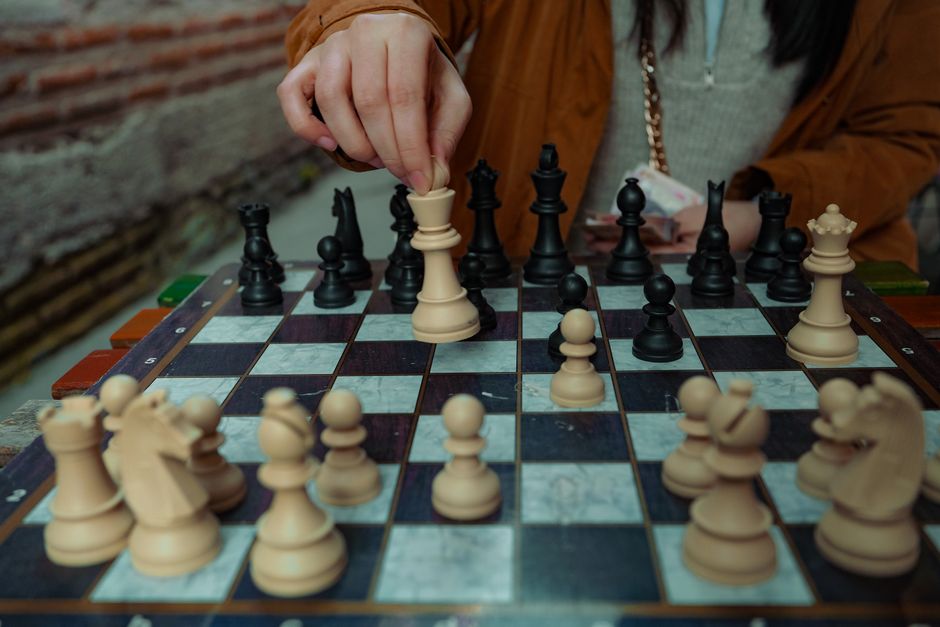
A chess puzzle is a position with a hidden best move or short forcing sequence — usually a tactic that wins material or delivers checkmate. You are asked to find it, which forces you to calculate and recognize patterns under pressure, exactly like a real game.
Most puzzles have a single correct answer, so they give instant, honest feedback.
Why they work so well
Puzzles train the two skills that matter most:
- Pattern recognition — seeing forks, pins, and mating nets at a glance.
- Calculation — reading a sequence of moves accurately in your head.
Between two players of similar knowledge, the one who blunders less and spots more tactics wins — and puzzles build both edges.
The rating math
Consider where games are actually lost at the club level.
| Cause of loss | How common |
|---|---|
| Hanging a piece / missing a tactic | Very common |
| Losing the opening outright | Rare |
| Slow strategic squeeze | Occasional |
The biggest, most fixable leak is tactical mistakes — and that is precisely what puzzles address.
How to use puzzles well
- Solve a small set daily (5-15) rather than a huge batch once a week.
- Calculate fully before moving — do not guess and click.
- When you miss one, replay it until the pattern sticks.
Tip: quality beats speed. Solving ten puzzles carefully, visualizing every move, helps far more than blitzing fifty by trial and error. Treat each one like a real game decision.
Build the habit
The players who improve fastest are not the ones who study openings for hours — they are the ones who do tactics every day. Ten focused minutes builds a library of patterns your brain will recall automatically at the board.
Start today with a handful of puzzles at your level, calculate each one to the end, and review your misses. Do it consistently for a month and you will feel the difference: moves that once took minutes will jump out in seconds.